Everyone, by 2027
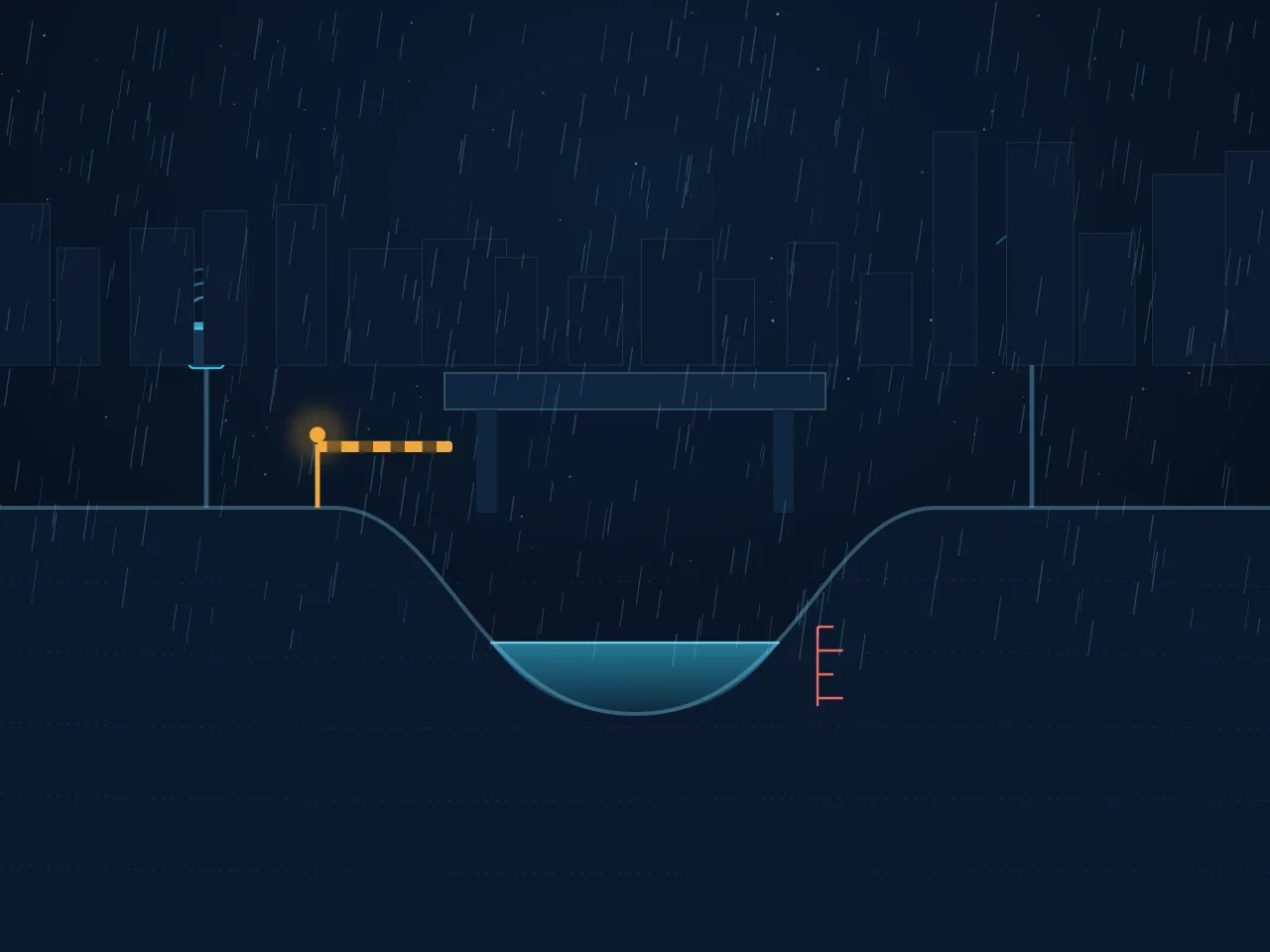
In March 2022 the UN Secretary-General launched the Early Warnings for All initiative, with the goal that everyone on Earth is protected by early warning systems against hazardous weather and climate events by the end of 2027.
The goal links to Target G of the Sendai Framework for Disaster Risk Reduction 2015–2030: substantially increasing the availability of and access to multi-hazard early warning systems and disaster risk information.
The four pillars of early warning
| Pillar | What it means | Example in urban flooding |
|---|---|---|
| Disaster risk knowledge | Knowing where and who is at risk | Flood history; locations of low roads, underpasses and semi-basement homes; lists of people who need evacuation support |
| Detection, monitoring and forecasting | Detecting and forecasting the hazard | Field rainfall observation, radar and public stations, flood risk analysis |
| Warning dissemination and communication | Telling people in time, in a way they understand | Staff alerts, resident SMS and app alerts, step-by-step guidance |
| Preparedness and response capabilities | Acting on the warning | Closures, dispatch of evacuation support staff, shelter operation, drills |
Under the UN initiative, the four pillars are led by UNDRR, WMO, ITU and IFRC respectively.
No pillar works alone
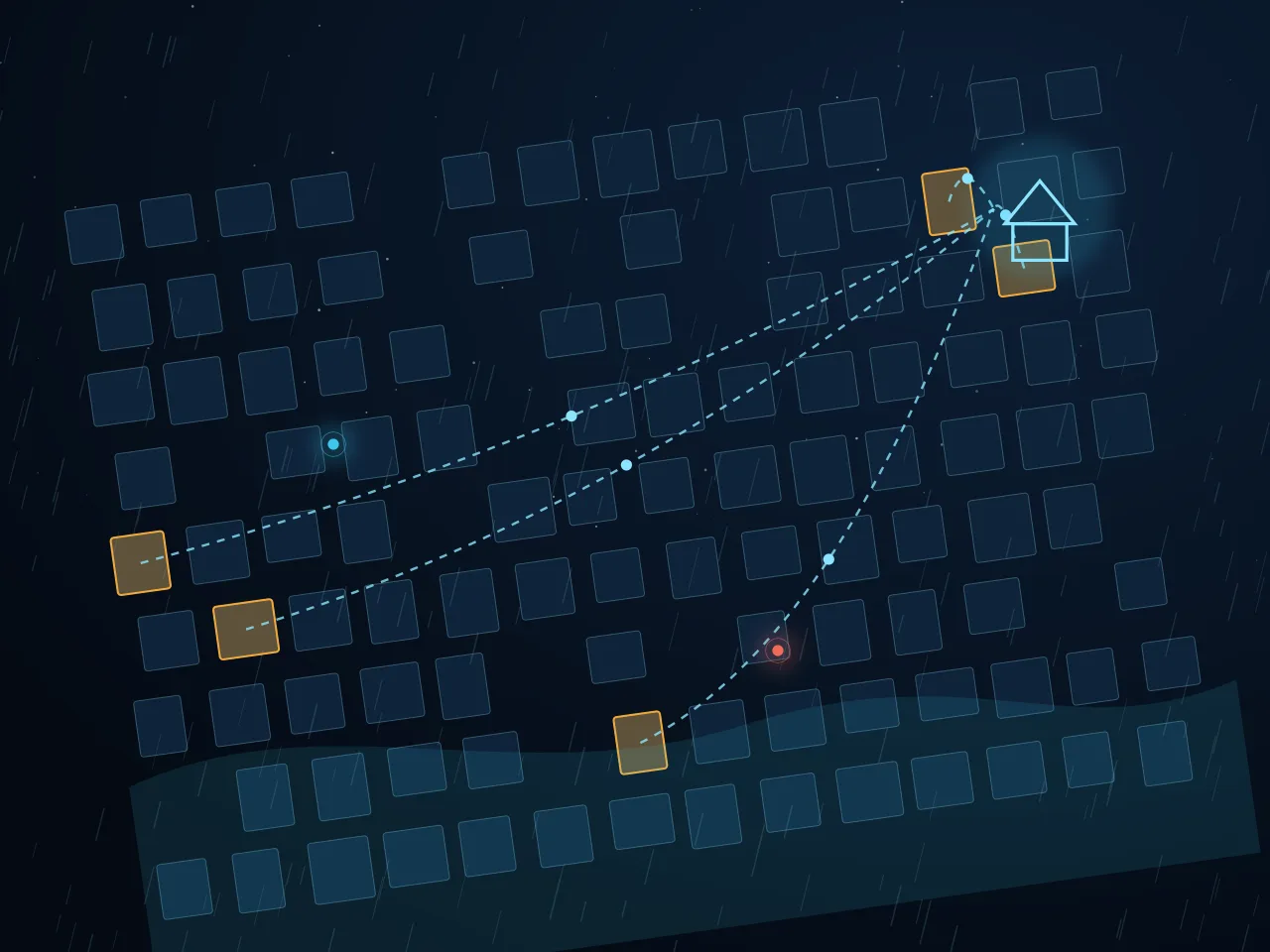
Early warning is a chain. An accurate forecast is useless if the warning never arrives, and a warning that arrives does not become action unless it is clear who does what.
For fast-escalating hazards such as local downpours, the time between pillars must be especially short. Cutting the time from observation to action is how damage is reduced.
Sources
- Early Warnings for All — United Nations, 2022
- Sendai Framework for Disaster Risk Reduction 2015–2030 — UNDRR, 2015
- Multi-hazard early warning systems — WMO